
Quick insight: As the UK considers expanding restrictions on outdoor advertising for High Fat, Salt and Sugar (HFSS) products, many industry leaders believe the conversation should shift from banning OOH to using it as a tool for encouraging healthier choices.
A Complex Challenge Needs A Broader Solution
Improving public health and reducing obesity is a goal shared by governments, brands and media companies alike.
However, many experts argue that focusing exclusively on outdoor advertising oversimplifies an issue driven by economic, educational, social and lifestyle factors.
Rather than asking whether OOH should disappear from the conversation, the industry believes policymakers should explore how the medium can actively contribute to healthier behaviors.
OOH Has Proven It Can Adapt
Outdoor advertising is already one of the most regulated advertising channels.
Over the years, media owners and advertisers have adapted to school proximity rules, local authority HFSS policies and stricter planning requirements while continuing to deliver effective campaigns.
Unlike many digital platforms, OOH operates in full public view, making compliance highly transparent and easy to monitor.
Influencing Decisions In The Real World
One of OOH's greatest strengths is its ability to reach people at the exact moment decisions are made.
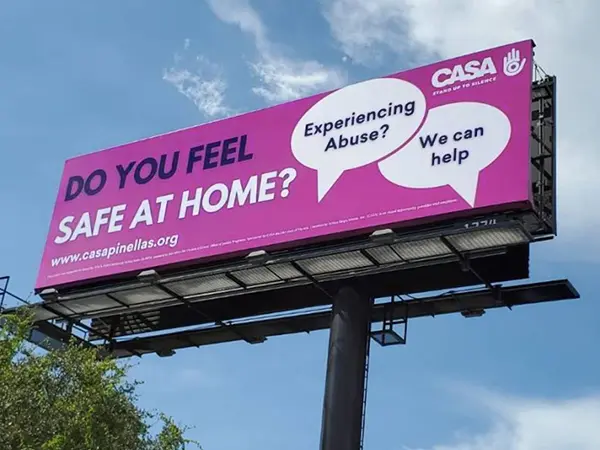
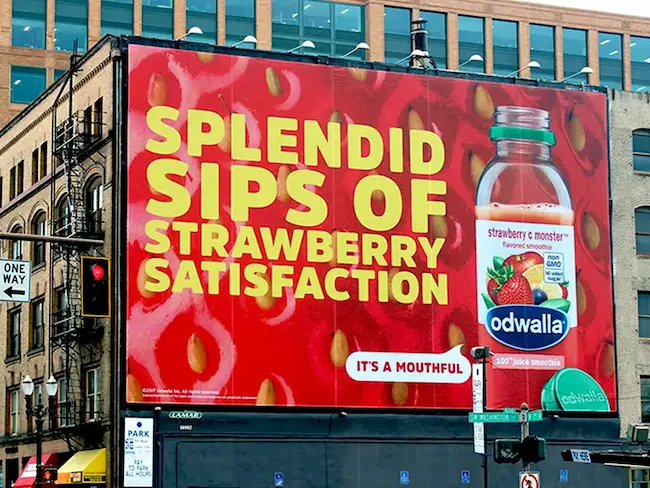
Whether encouraging public transport, promoting health initiatives or highlighting healthier food alternatives, outdoor media delivers contextual messages where they can have the greatest impact.
Supporters argue this makes OOH uniquely positioned to encourage positive behavioral change rather than simply promoting products.

Restriction Alone Won't Solve Obesity
Industry leaders point to previous public health successes as evidence that meaningful change requires multiple coordinated strategies.
Reducing tobacco consumption, for example, was achieved through taxation, education, product regulation, packaging reforms and advertising controls working together over many years—not through advertising restrictions alone.
"Obesity requires the same joined-up thinking."
The same principle, they argue, should guide future HFSS policies.
How OOH Can Become Part Of The Solution
- Promote healthier product alternatives.
- Support government health education campaigns.
- Deliver location-specific behavioral messaging.
- Encourage responsible food marketing.
- Create partnerships between brands, health organizations and local communities.
Key Takeaways For Marketers
- Public policy increasingly shapes advertising strategies.
- Responsible advertising can strengthen consumer trust.
- OOH's contextual nature makes it valuable for behavioral campaigns.
- Collaboration often delivers better results than blanket restrictions.
- The future of OOH includes both commercial impact and social responsibility.
Final Thought
The debate surrounding HFSS advertising is about more than limiting exposure to certain products—it's about finding the most effective ways to improve public health.
Outdoor advertising has consistently demonstrated its ability to adapt, educate and influence behavior responsibly. Rather than treating OOH as the problem, many industry voices believe it should become a meaningful part of the solution.
Frequently Asked Questions
HFSS stands for High Fat, Salt and Sugar products, a category often targeted by advertising regulations aimed at improving public health.
Some policymakers propose restricting HFSS advertising in public spaces to reduce exposure and encourage healthier lifestyles.
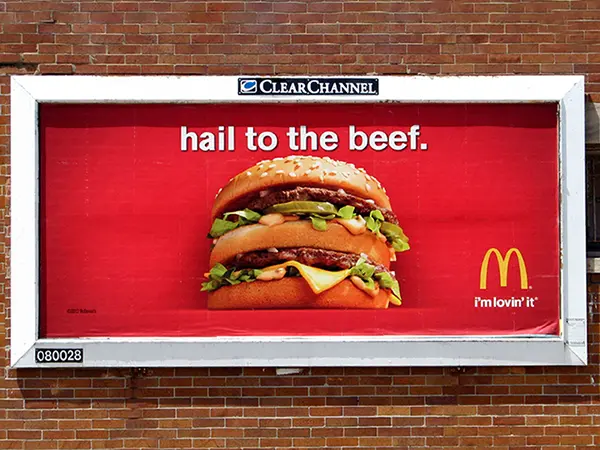
Many industry leaders believe OOH should help promote healthier choices instead of being broadly excluded from food advertising.
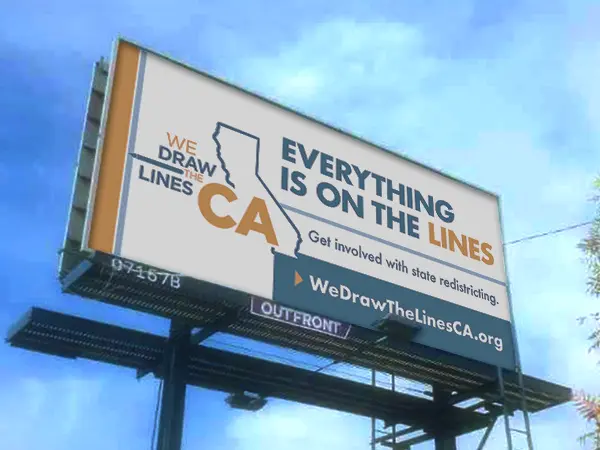
Yes. Outdoor advertising has long been used for public health campaigns, safety messaging and behavioral change initiatives.
Experts argue obesity is a complex issue that requires coordinated action involving education, regulation, product reformulation and responsible advertising.
Ready to advertise outdoors?
BM Outdoor plans, buys and prints OOH campaigns across all 50 states. Request a free quote with no commitment.














Comments
Be the first to comment.