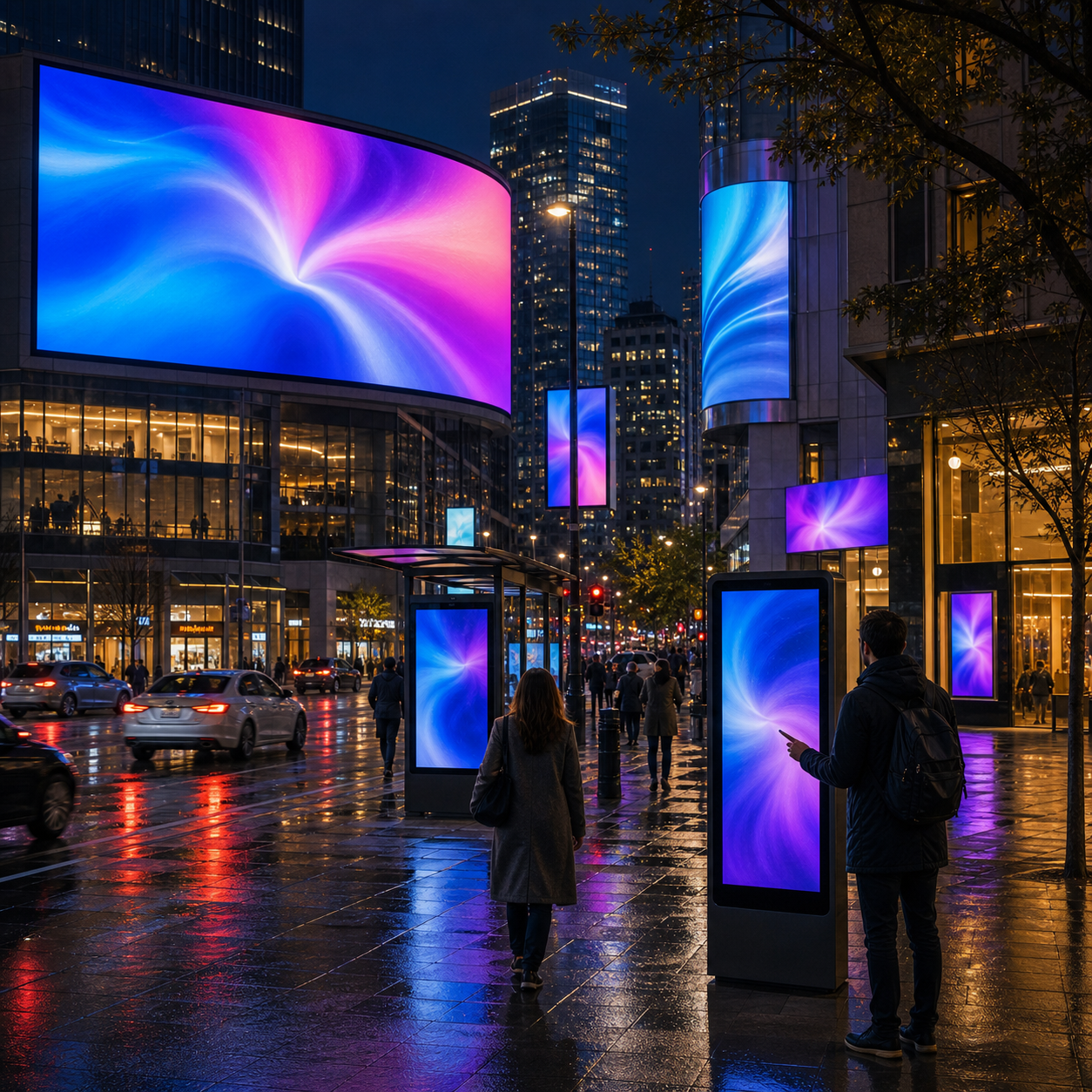
Quick Answer: Top-rated digital out-of-home advertising is not just a digital billboard on a busy road. It is a planned DOOH system: premium locations, useful digital signage, strong creative, credible advertising technology, and measurement that connects outdoor advertising to search, web traffic, store visits, calls, leads, and sales activity.
Digital out-of-home advertising has become one of the most useful ways for brands to appear in the real world while still working like a modern media channel. It gives advertisers the public visibility of outdoor advertising and the flexibility of digital media. That combination is why more buyers are paying attention to digital signage, digital billboards, interactive displays, programmatic DOOH, and place-based screens in 2026.
For BM Outdoor, the practical question is simple: what separates a top-rated DOOH campaign from a screen buy that merely looks impressive? The answer is planning discipline. The best campaigns match the screen, location, audience moment, creative system, and measurement plan before budget is committed.
What Digital Out-of-Home Advertising Means in 2026
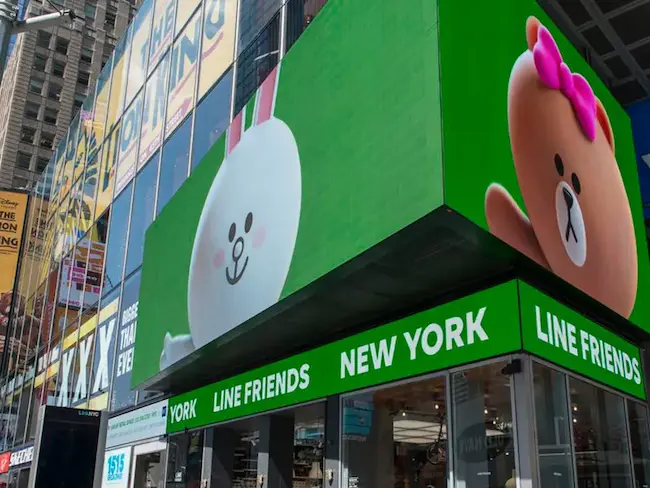
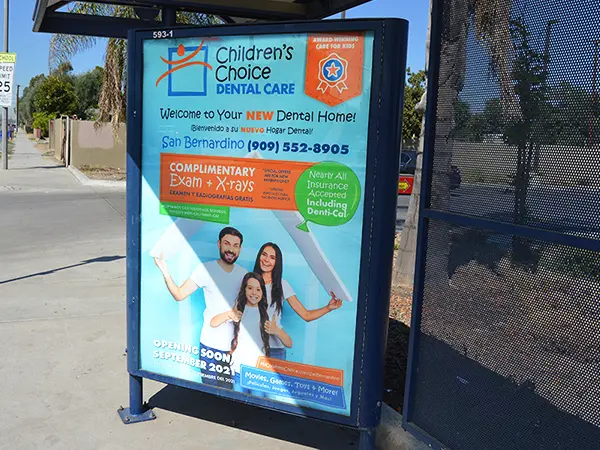
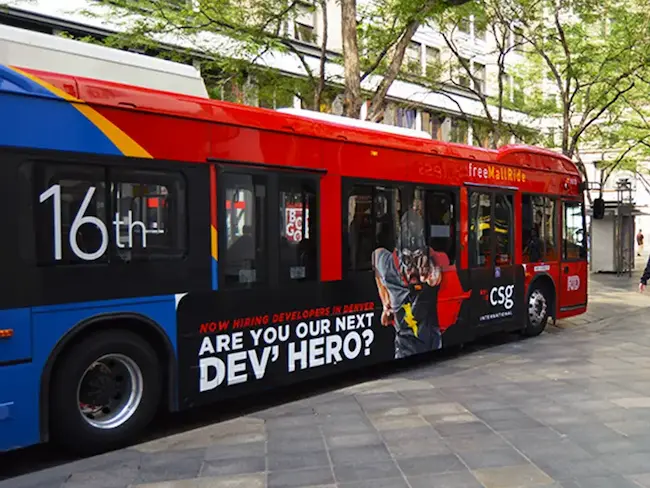
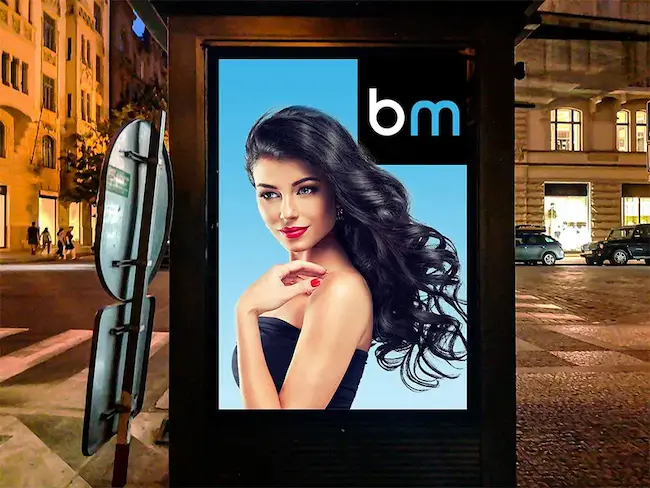
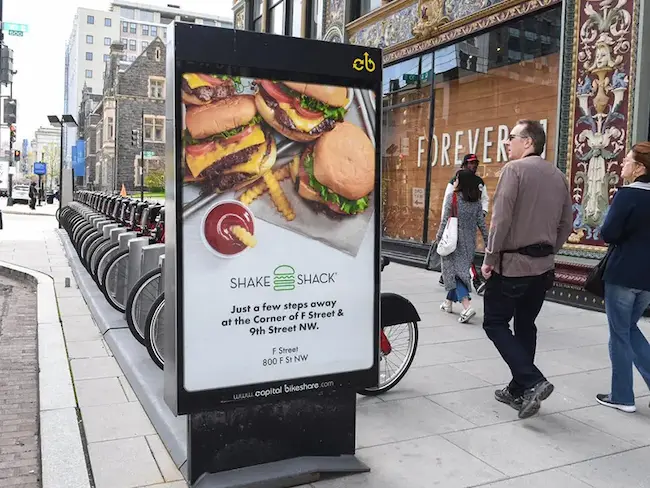
Digital out-of-home advertising, often called DOOH, includes digital media placements seen outside the home. The format can include highway digital billboards, urban spectaculars, transit shelter screens, airport screens, mall media, retail media screens, EV charging screens, elevator displays, gym screens, campus screens, and interactive displays in high-footfall environments.
The common thread is that the message appears in a physical environment. People see it while commuting, shopping, traveling, attending events, walking through downtown corridors, waiting in transit areas, or moving through stores. That makes DOOH different from online advertising. The ad is not competing inside a feed. It is part of the environment.
Why Digital Signage Is Becoming More Strategic
Digital signage used to be treated as a display technology. In 2026, it is better understood as media infrastructure. A screen network can support brand campaigns, retail messaging, public information, entertainment, service prompts, and programmatic advertising.
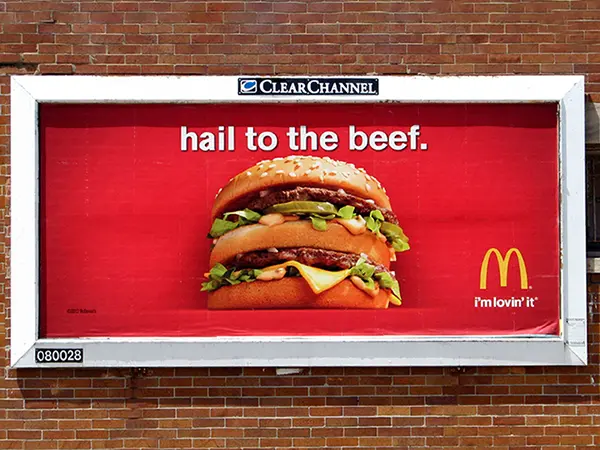
For advertisers, this creates flexibility. One screen can carry a brand message in the morning, a product prompt in the afternoon, and an event-specific creative at night. A static billboard can be powerful, but digital signage lets brands adapt messaging by daypart, market, weather, event timing, location type, and business objective.
Digital Billboards: The High-Impact Core of DOOH
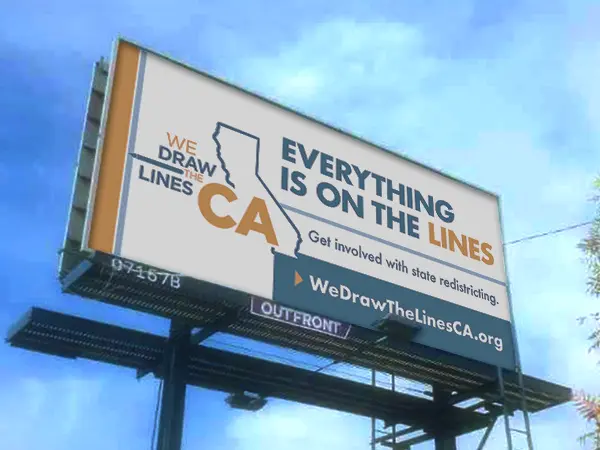
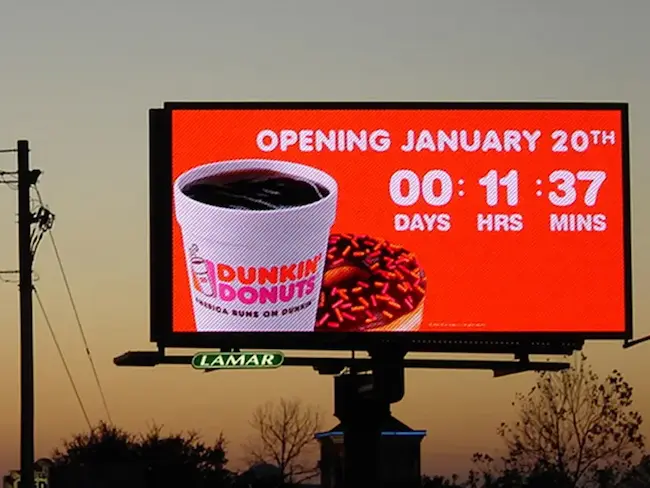
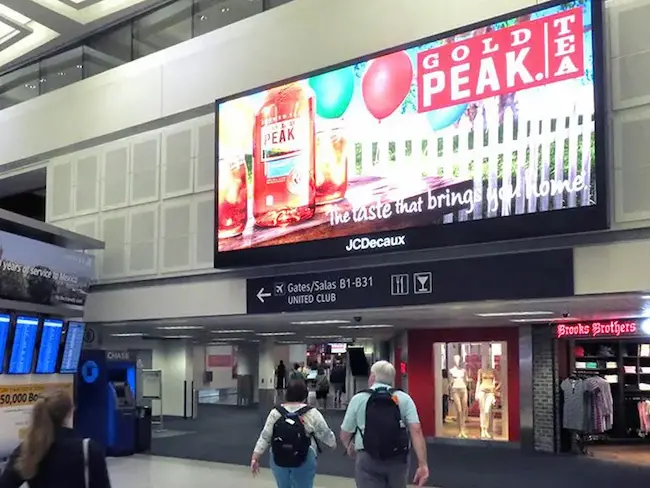
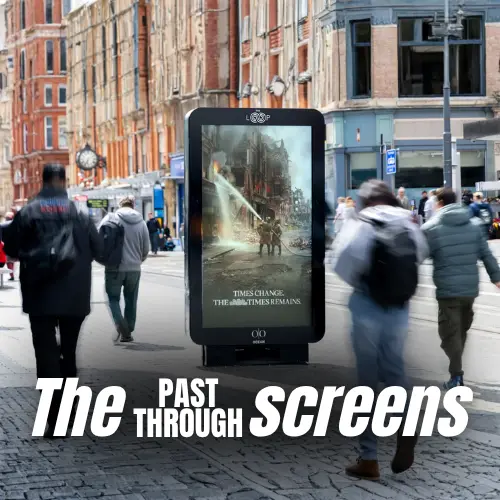
Digital billboards remain one of the most recognizable DOOH formats because they combine scale, visibility, and fast creative rotation. A good digital billboard location can create brand familiarity across a commute corridor, retail district, entertainment zone, or airport access route.
But digital billboards work best when they are not purchased as isolated units. A stronger plan assigns each billboard a role. Some screens create fame. Some create frequency. Some sit close to stores, venues, campuses, hospitals, or service areas. The goal is not only to buy a large screen. The goal is to own a useful audience moment.
Interactive Displays and the New Attention Layer
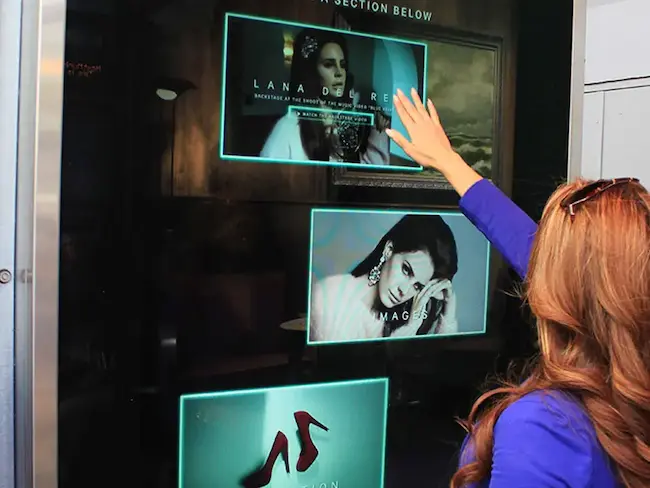
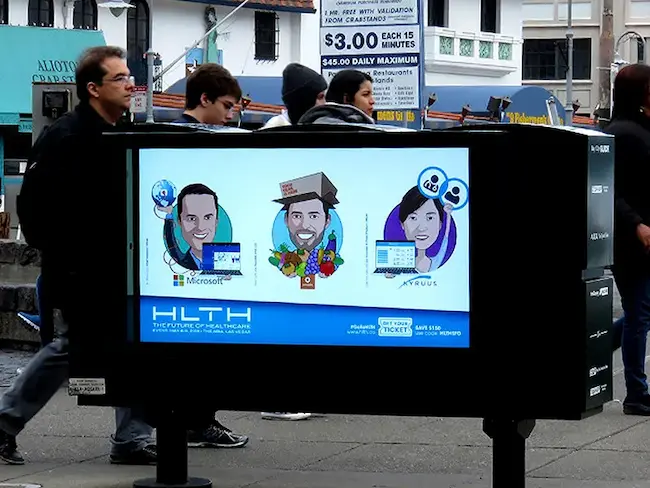
Interactive displays can add value when the interaction fits the environment. Touchscreens, QR-enabled displays, mobile-triggered experiences, live data, social feeds, or motion-responsive creative can make sense in malls, transit hubs, campuses, events, and retail spaces. The key is restraint. Interaction should make the ad easier to remember or easier to act on, not harder to understand.
A top-rated interactive DOOH execution usually has one simple behavior: scan, tap, vote, explore, locate, book, save, or share. If the interaction requires too much explanation, the campaign may lose the speed that makes outdoor advertising effective.
The Role of Advertising Technology
Advertising technology has changed how DOOH is planned, bought, and measured. Buyers can now access inventory through direct deals, programmatic platforms, private marketplaces, and guaranteed packages. Creative can be scheduled by time, environment, location, and campaign logic. Reporting can include proof-of-play, screen delivery, pacing, and performance signals.
That does not mean every campaign needs a complicated tech stack. The best advertising technology is the technology that removes friction. It should make planning faster, delivery clearer, and optimization more useful. If the tech makes the campaign harder to explain, the plan needs simplification.
DOOH Marketing Works Best With a Capture Layer
DOOH marketing creates attention in public. To turn that attention into measurable value, brands need a capture layer. That can include branded search coverage, market-specific landing pages, paid search, retargeting, QR codes where appropriate, store locator pages, app deep links, call tracking, CRM forms, or offer pages.
This is where many campaigns underperform. The screen creates curiosity, but the brand does not protect the next step. If someone sees a digital billboard and searches the brand, the search results, landing page, and conversion path should be ready. If the campaign drives store interest, the store locator and maps presence should be clean. If the campaign promotes a service, the contact path should be obvious.
How to Choose Top-Rated Digital Out-of-Home Advertising
Use this checklist before choosing a DOOH partner or inventory package:
- Location logic: Are the screens matched to real audience movement, not just traffic volume?
- Format fit: Does the creative fit the screen size, dwell time, viewing distance, and environment?
- Creative system: Is there one strong message with variants for daypart, market, or context?
- Delivery proof: Will the campaign provide credible proof-of-play or posting confirmation?
- Measurement plan: Is there one primary KPI and a clear set of supporting signals?
- Digital capture: Are search, landing pages, store locators, calls, forms, and analytics ready?
Common Mistakes to Avoid
The first mistake is buying screens without a market strategy. A screen can be premium and still be wrong for the campaign. The second mistake is overloading the creative. Digital outdoor is not a website, and it is not a brochure. The message must be understood quickly. The third mistake is treating measurement as something to figure out after launch.
Another mistake is assuming digital automatically means performance. Digital billboards and interactive displays still need smart planning. A rotating creative schedule does not create results by itself. Results come from the right message, in the right place, with enough repetition, supported by a strong digital capture path.
What BM Outdoor Recommends
For most advertisers, the strongest digital out-of-home advertising plan has three layers. First, use high-impact inventory to make the brand visible. Second, add frequency through transit, street-level, retail, or place-based screens. Third, connect the campaign to search, web, store, call, or lead tracking so the brand can see what changed during the flight.
That structure makes DOOH easier to defend. It gives creative a purpose, gives media buyers a plan, and gives leadership a measurement story they can understand.
Bottom Line
Top-rated digital out-of-home advertising is not defined by screen brightness or screen size alone. It is defined by planning quality. The right DOOH campaign uses digital signage, outdoor advertising, digital billboards, interactive displays, advertising technology, and DOOH marketing as one connected system. When that system is built well, public attention becomes measurable business momentum.
Sources
- OAAA - Out of Home Advertising Revenue Reaches Record $9.46 Billion
- IAB - Digital Out-Of-Home Measurement Guide
- OAAA - The Value of OOH
Frequently Asked Questions
Digital out-of-home advertising is the use of digital screens in public places, including digital billboards, transit displays, retail screens, airport media, street furniture, and other connected signage.
Traditional outdoor advertising usually uses static printed placements. DOOH uses digital signage and advertising technology that can rotate creative, support dayparting, use contextual triggers, and provide stronger delivery reporting.
Yes, when the campaign is connected to search, landing pages, location strategy, and measurement. Digital billboards often create awareness and intent that later appears as branded search, web traffic, calls, store visits, or lead activity.
A strong DOOH campaign has the right locations, a simple creative system, credible proof-of-play, a clear KPI, and a digital capture path that turns public attention into action.
Ready to advertise outdoors?
BM Outdoor plans, buys and prints OOH campaigns across all 50 states. Request a free quote with no commitment.





Comments
Be the first to comment.