
Why Mickey Was Wrong About Billboards
One of the most memorable lines associated with the Rocky franchise comes from Mickey Goldmill, who criticizes Rocky for becoming too commercial:
“I trained you to be a fighter, not a billboard.”
In the movie, the insult works because a billboard represents distraction, fame and complacency. But in modern Out-of-Home Advertising, being a billboard can mean exactly the opposite: showing up with scale, confidence and enough visual force to dominate attention.
That makes the theatrical return of the Rocky story through I Play Rocky an interesting reminder for marketers. A strong OOH campaign does not sit quietly in the background. It competes for attention just as aggressively as a fighter competes in the ring.
For BM Outdoor, this is the core lesson: great OOH combines strategic placement, strong creative and cultural timing so that a campaign becomes part of the environment rather than another message people ignore.

BM Outdoor: Don’t Just Hang There — Fight for Attention
Mickey’s real complaint was not the billboard itself. It was that Rocky had lost intensity. The same principle applies to outdoor advertising.
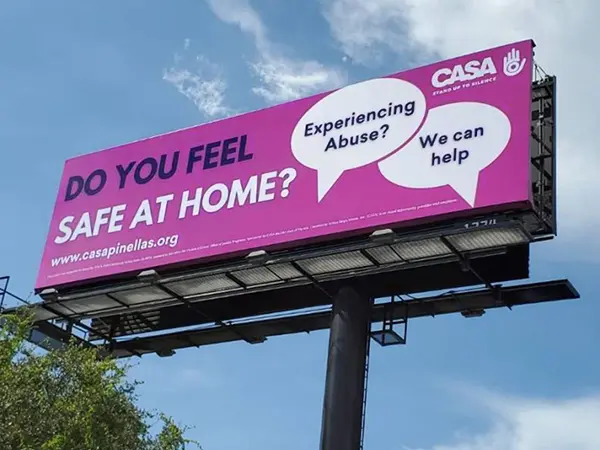
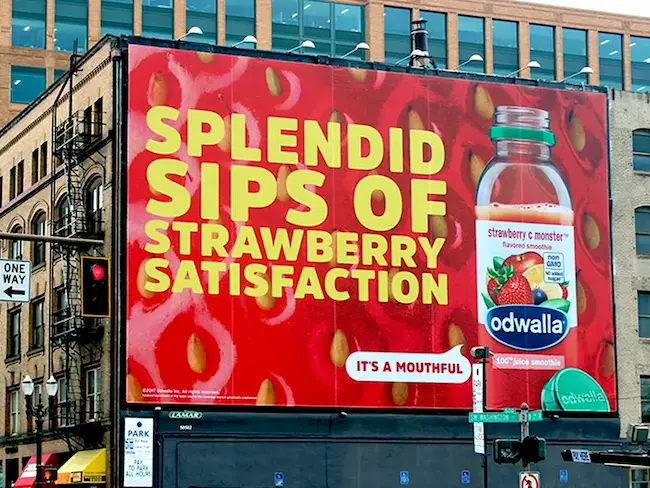
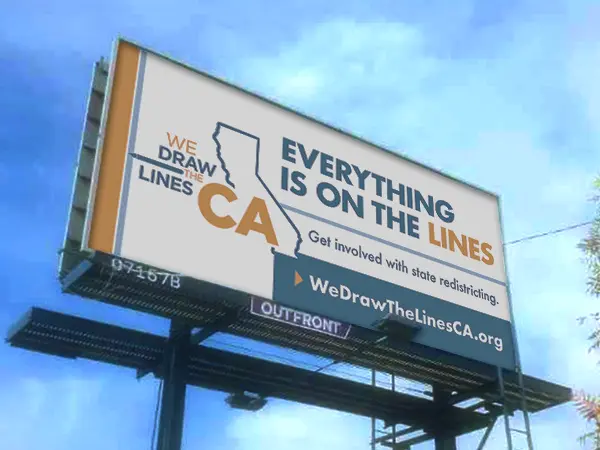
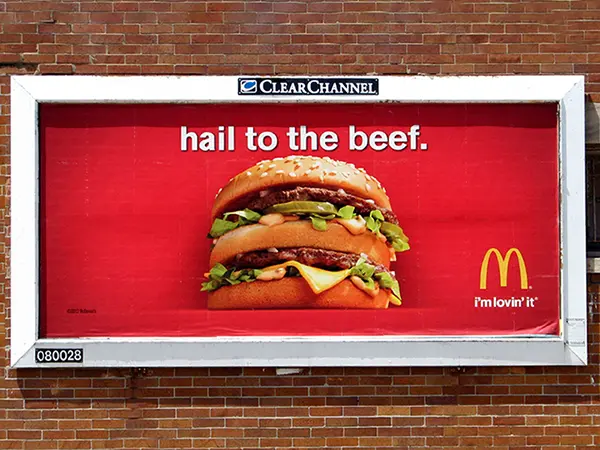
Too many campaigns treat OOH as passive wallpaper. Strong outdoor creative should do the opposite. It should command the street, create immediate recognition and give audiences a reason to look again.
For BM Outdoor, the strongest billboard campaigns are the ones built around one clear idea, one dominant visual hierarchy and a placement that gives the message enough physical presence to win attention before the audience moves past it.

DOOH Brings “Eye of the Tiger” Agility
Rocky’s success was never only about strength. He had to adapt, respond and keep moving. That same advantage is built into Digital Out-of-Home Advertising.
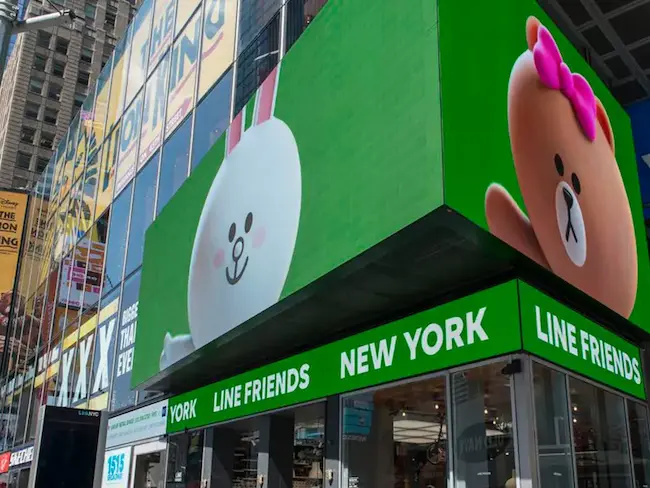
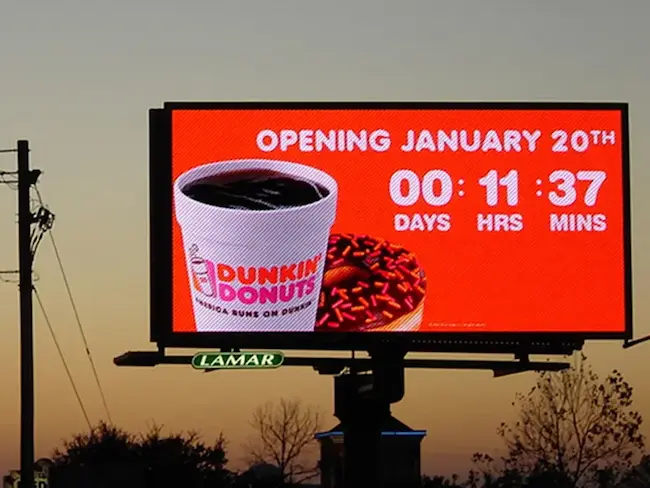
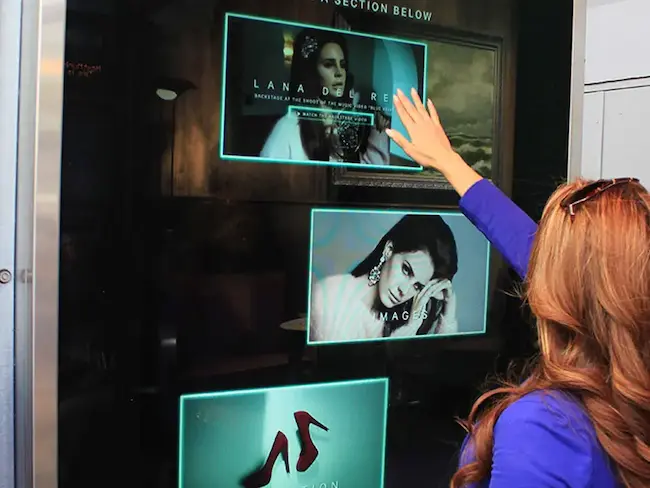
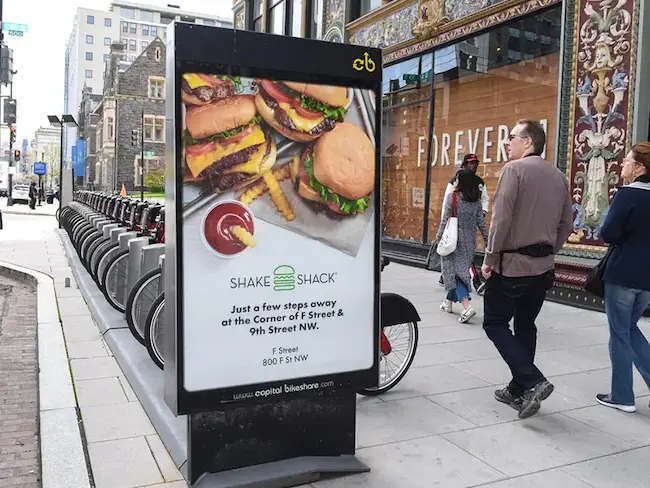
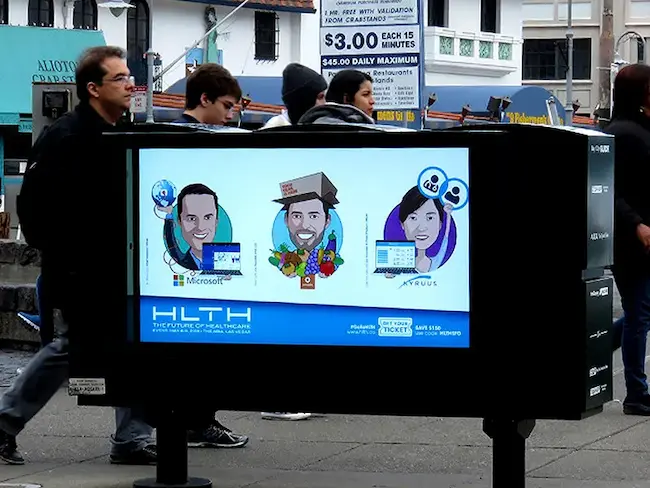
Unlike a static placement that remains unchanged, DOOH can adjust creative based on time, location and context. That gives brands a way to stay relevant while still benefiting from the unavoidable physical presence of outdoor media.
- Contextual triggers: creative can change based on weather, traffic, time of day or major cultural moments.
- Dynamic storytelling: motion and sequential messaging can make a screen feel active rather than static.
- Precision and scale: brands can build frequency across the places where audiences commute, shop, travel and gather.
- Fast creative updates: campaigns can react to events without rebuilding an entire media plan.
Big Screens Still Create Unforgettable Moments
The return of Rocky to theaters also reinforces something every OOH media buyer already understands: scale matters.
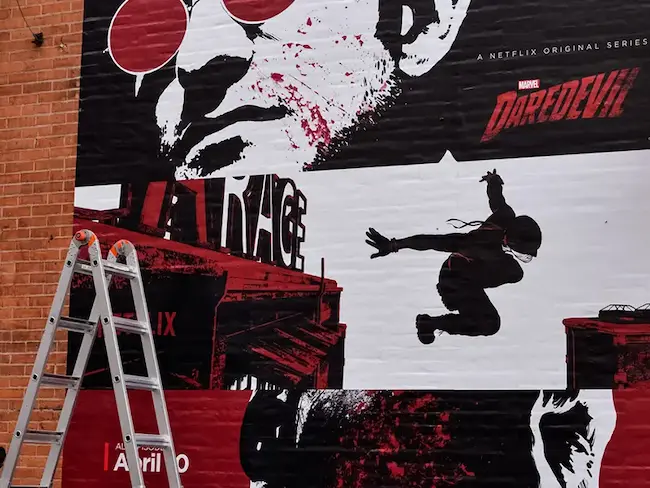
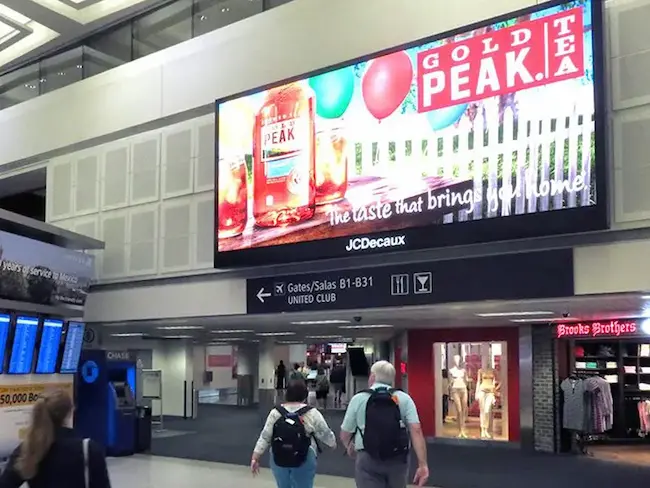
Large-format media changes the way an audience experiences a message. It can turn a film launch, product release or cultural moment into something shared publicly rather than consumed privately on a phone screen.
That is especially important for entertainment. Movies, games, streaming series and sports launches already depend on anticipation. Outdoor media gives that anticipation a physical presence.

Entertainment OOH Works Best When the Story Is Already Strong
Film campaigns have an advantage in outdoor media because audiences often already understand the emotional world behind the creative. A recognizable pose, character or title can carry more meaning than a long headline.
In the case of I Play Rocky, the campaign inherits decades of cultural familiarity around struggle, perseverance and the underdog mentality.
That means the outdoor work does not need to explain everything. It only needs to trigger recognition and make the audience curious enough to take the next step.
BM Outdoor: Let the Placement Become Part of the Story
A billboard does not have to be disconnected from the narrative. The strongest placements often feel like they belong in the campaign’s world.
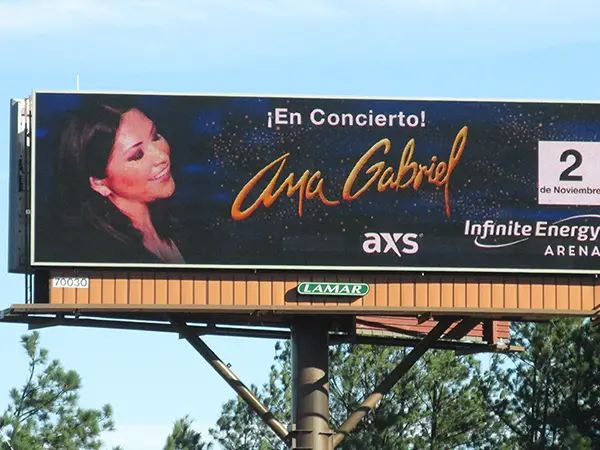
A sports story benefits from arena districts. A film release can dominate theater corridors and entertainment zones. A gaming launch can use city-scale placements that mirror the size of the franchise itself.
This is where BM Outdoor helps brands move beyond simply buying space. The goal is to match format, location and audience behavior so the physical placement strengthens the idea rather than merely carrying it.

What Brands Can Learn From Rocky
- Intensity matters. Outdoor creative needs enough visual strength to win attention quickly.
- Adaptation matters. DOOH makes it possible to change creative around context and audience conditions.
- Scale matters. Large-format placements turn campaigns into shared public moments.
- Recognition matters. Strong brand assets and cultural references reduce the amount of explanation required.
- Placement matters. The environment can reinforce the story and make the campaign feel more relevant.
Ready to Put Your Brand in the Ring?
You do not have to choose between being a fighter and being a billboard.
With the right strategy, bold creative and high-impact OOH and DOOH placements, a brand can be both: visible enough to dominate the environment and flexible enough to react to the moment.
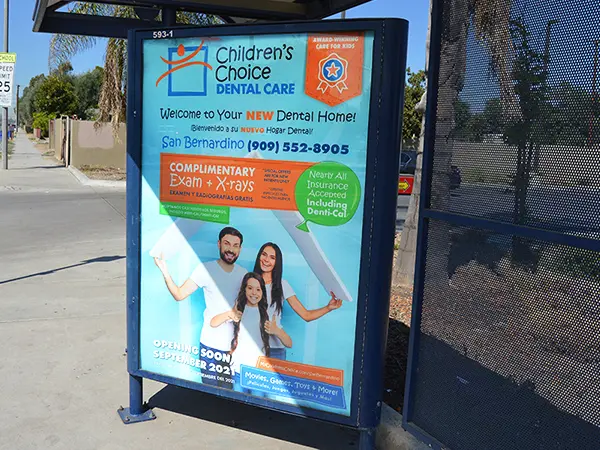
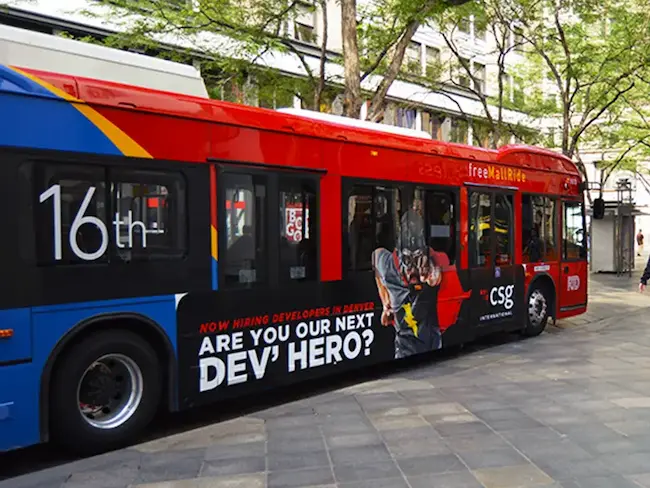
BM Outdoor can help build a free media plan across static billboards, digital OOH, large-format media, transit and high-impact urban placements designed to make your campaign fight harder for attention.
Summary
I Play Rocky is a timely reminder that outdoor advertising still works when the idea, placement and scale reinforce each other. Static OOH delivers immediate physical presence, while DOOH adds flexibility and contextual relevance. The result is a medium that does not simply sit in the background — it fights for attention.
Make your next campaign impossible to ignore
Plan strategic OOH and DOOH placements with BM Outdoor across high-impact markets and formats.
Ready to advertise outdoors?
BM Outdoor plans, buys and prints OOH campaigns across all 50 states. Request a free quote with no commitment.




Comments
Be the first to comment.