
Marketing the Messy Middle of Dating
Most dating marketing sells the outcome: connection, romance and lasting relationships.
Hinge is taking a different approach.
Its “No Ordinary Love” platform focuses on everything that happens before the happy ending: awkward moments, self-doubt, rejection, uncertainty and the temptation to give up.
Storytelling Instead of Traditional Product Marketing
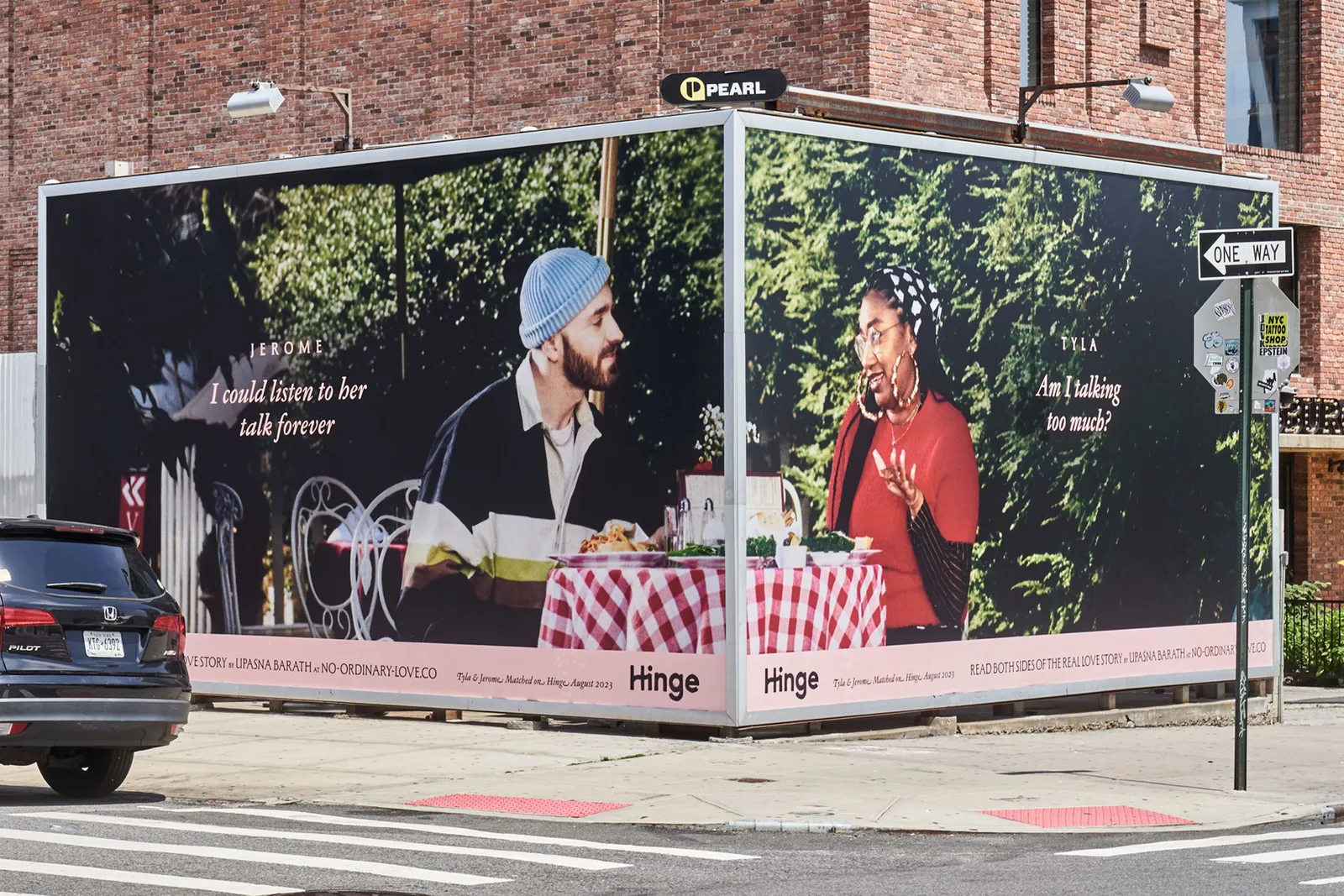
The platform is built around short romantic stories inspired by the real experiences of Hinge couples.
Rather than simply telling users that meaningful relationships are possible, Hinge uses fiction to show how imperfect and uncomfortable the path toward connection can actually be.
The stories are available free on Substack and are now expanding into audiobooks on Spotify and Libby.
Creating a Whole World Around the Stories
“No Ordinary Love” has grown beyond written fiction into a broader creative universe.
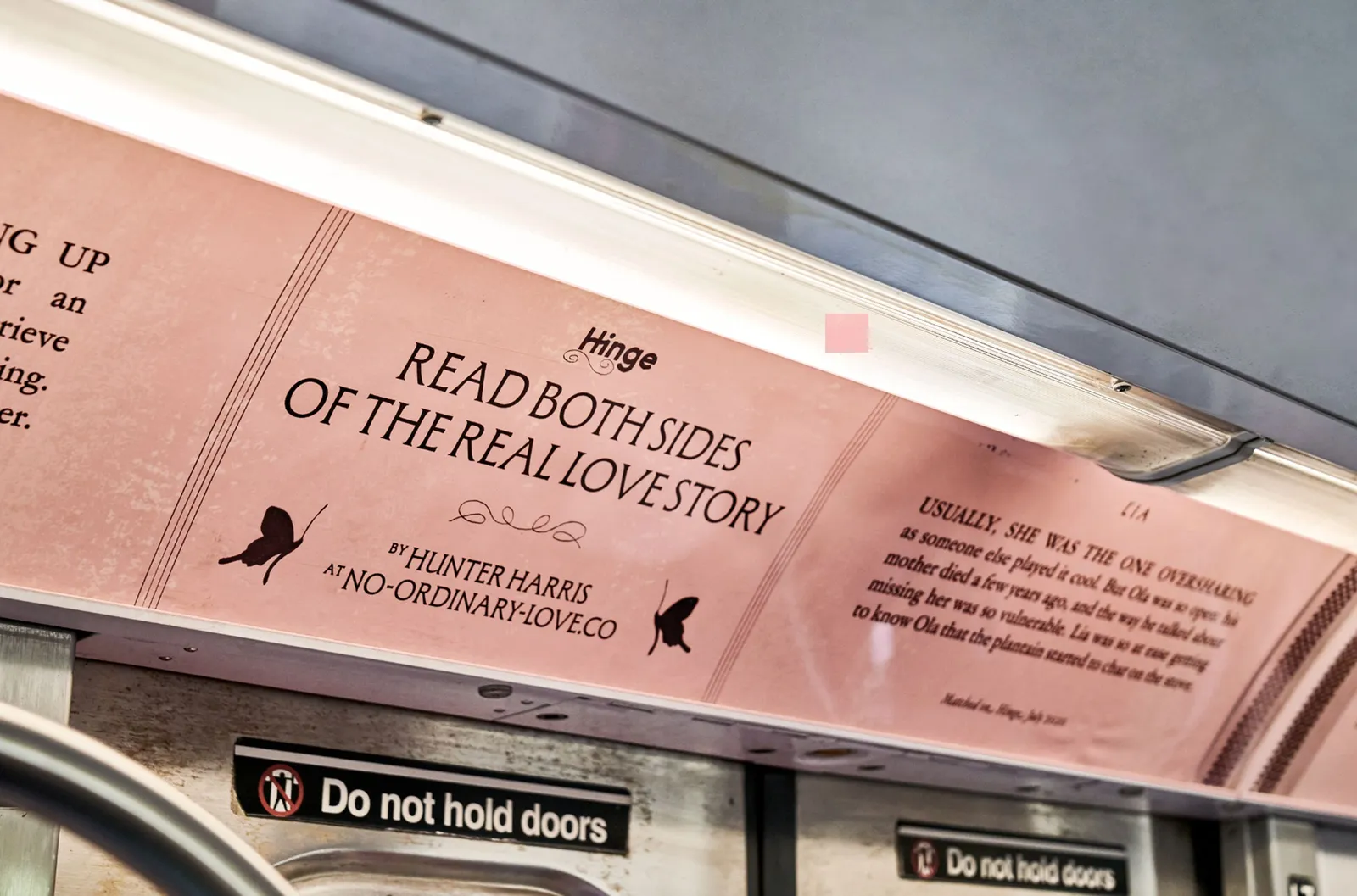
Working with Dazed Studio, Hinge commissioned medieval-inspired illustrations from New York tattoo artist Lu Walstad, original harpsichord music from Jackson Kinder and video audiobook trailers featuring real couples.
The films were directed by David Brandon Geeting.
From the Ick to Chalant Dating
Each year, Hinge has used the platform to address a different tension in modern dating.
The first chapter challenged pressure for perfection and the tendency to reject people over small “icks.”
Later stories explored the internal doubts experienced by both partners in a developing relationship.
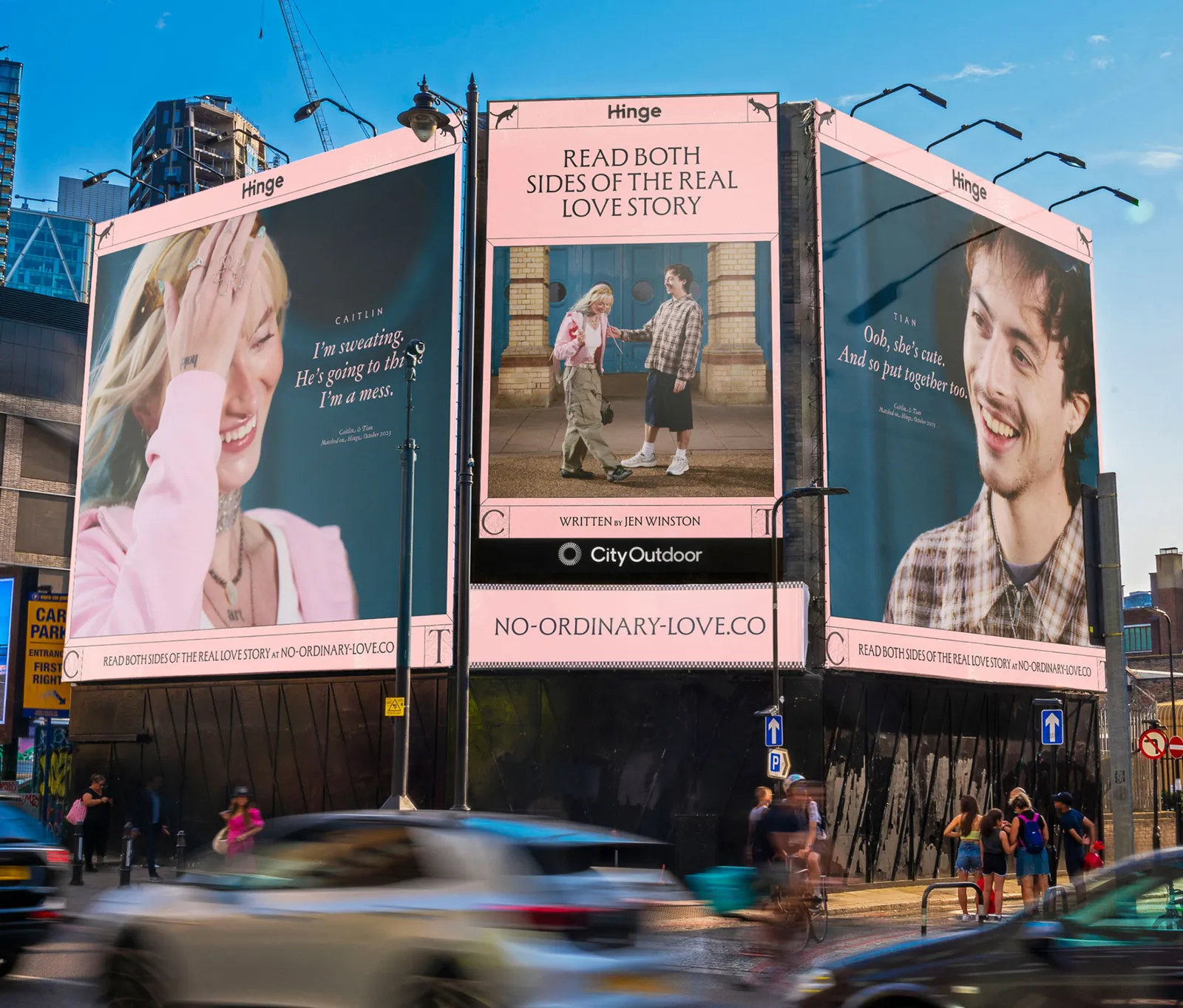
This year, the conversation centers on “chalant” dating: the opposite of pretending not to care.
Why Chalant Matters
Search interest in “chalant” rose 217% in 2025.
For Hinge, that trend reflects a desire for people to show genuine enthusiasm and emotional honesty rather than performing detachment.
The latest stories focus on skepticism, frustration, cautious optimism and the fear that often appears before meaningful connection.
Why This Strategy Works
Hinge is not only trying to acquire users.
It is trying to influence how people behave once they are dating.
By turning common anxieties into stories, the brand makes those emotions feel normal and gives people permission to be more direct about what they want.
What Brands Can Learn
- Marketing does not always need to focus on the ideal end result.
- Storytelling can help normalize difficult parts of the customer journey.
- Strong brand platforms can evolve across formats without losing their core idea.
- Cultural language like “chalant” can create relevance when it reflects real behavior.
- Brands can influence behavior by making audiences feel seen rather than instructed.
Final Reflection: Sell the Journey, Not Just the Ending
Hinge’s approach stands out because it recognizes that finding love is rarely smooth.
Instead of hiding the uncertainty, “No Ordinary Love” makes it part of the brand story.
That makes the campaign feel more honest, more human and more useful to the people Hinge is trying to reach.
Summary
Rather than only marketing the happy ending, Hinge focuses on the difficult middle of dating. Through short-form fiction, audiobooks, illustration, music and film, “No Ordinary Love” encourages daters to be more open, expressive and “chalant” instead of playing it cool.
Sources
FAQs
What is Hinge’s No Ordinary Love platform?
It is a storytelling platform based on the real dating experiences of Hinge couples, focusing on the imperfect journey toward meaningful relationships.
Where can people experience the stories?
The stories are available on Substack and are now expanding into audiobook formats on Spotify and Libby.
What does chalant dating mean?
It refers to being openly interested and emotionally present instead of deliberately playing it cool or acting indifferent.
Why is Hinge using storytelling?
The brand uses stories to normalize dating anxiety, self-doubt and uncertainty while encouraging people to express their feelings more openly.
Ready to advertise outdoors?
BM Outdoor plans, buys and prints OOH campaigns across all 50 states. Request a free quote with no commitment.














Comments
Be the first to comment.