
Why Digital Billboards Are Different
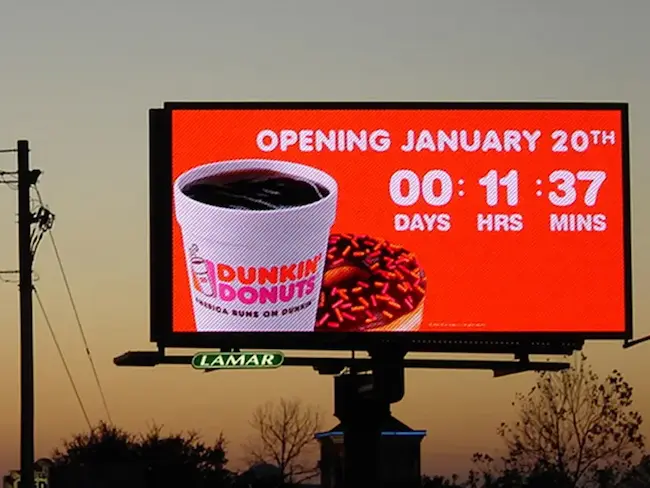
Digital billboard advertising gives a campaign a visible roadside presence with one important operational advantage: the message can change without replacing the face of the board. A single LED screen can run a sequence of advertisers, dates, offers, creative versions, or daypart-specific messages. That makes digital out-of-home useful for launches, seasonal promotions, live events, retail openings, ticket sales, multi-location campaigns, and brands that need to react faster than a printed installation allows.
The flexibility does not remove the fundamentals of billboard buying. A screen still has a fixed location, a direction of travel, a viewing distance, competing visual clutter, and an audience pattern. The best digital campaign is not simply a collection of available screens. It is a plan built around the roads, neighborhoods, commuter flows, and decision moments that are relevant to the business.
For example, a restaurant group may change from lunch messaging to dinner messaging. A theater can move from a season announcement to a specific performance date. A dealership can promote a model event during a defined weekend. A regional brand can run the same core campaign with a local address or call to action in each market. The screen is the delivery system; the location and message strategy still determine whether the plan works.
Digital Billboard Formats Buyers Should Compare
| Screen Environment | Best Planning Use | What to Confirm Before Buying |
|---|---|---|
| Highway LED billboard | Broad commuter reach, regional awareness, major launches | Traffic direction, approach distance, sightline, day/night readability, loop and share of voice |
| Arterial-road digital board | Store trade areas, service corridors, neighborhood coverage | Whether the audience can act within the service radius and how long the message is visible |
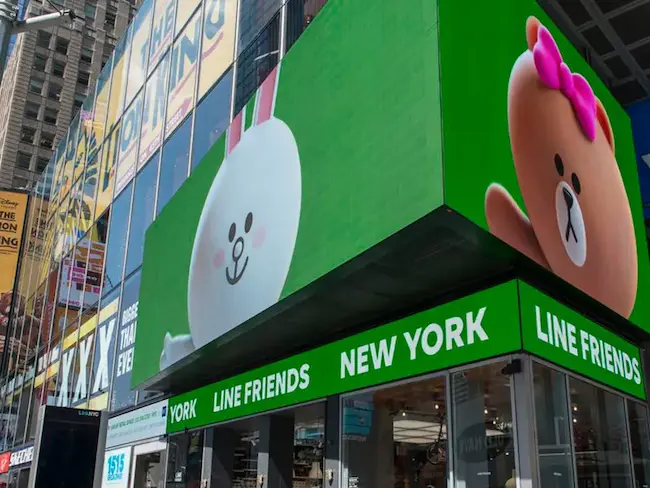
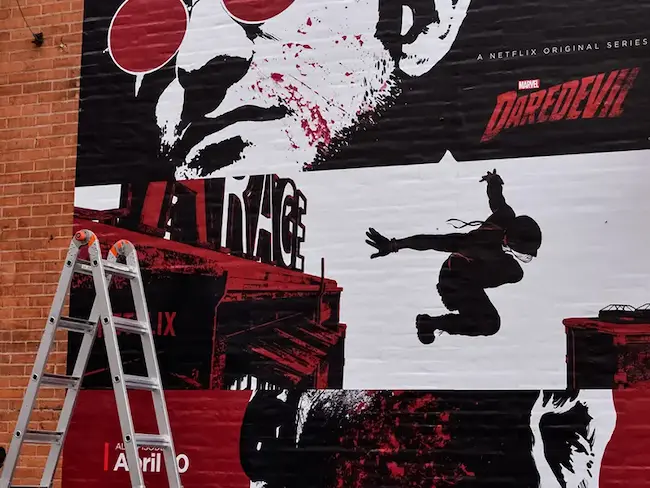
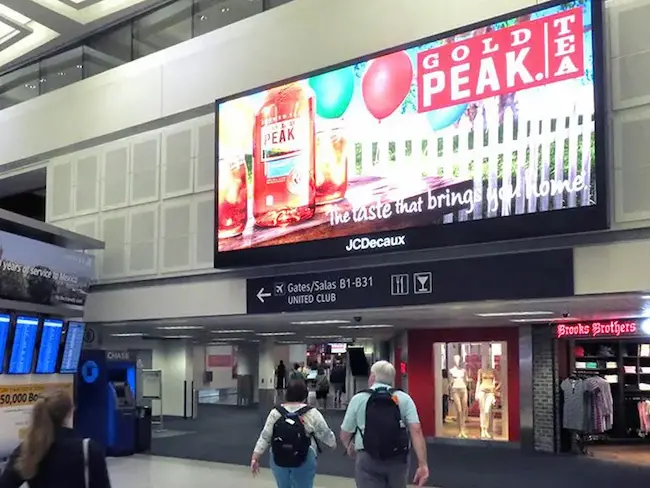
| Urban digital spectacular | High-profile launches, entertainment, national brand visibility | Pedestrian versus vehicle audience, dwell time, surrounding screens, photo/video exposure |
| Retail-district digital display | Shopping, dining, events, local offers | Walking routes, parking approaches, nearby anchors, operating hours, proximity to the action |
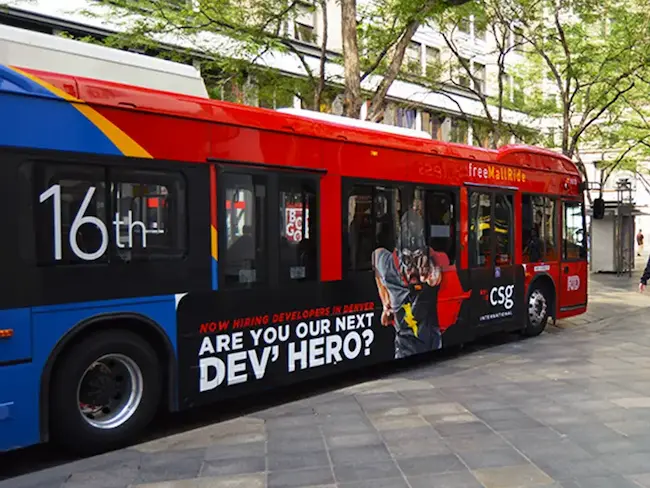
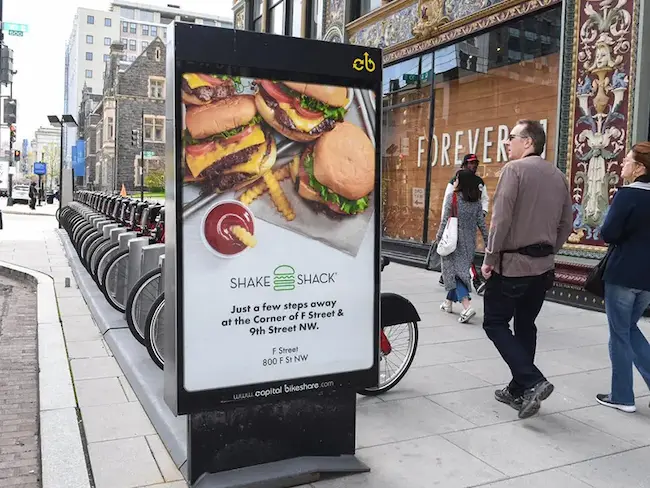
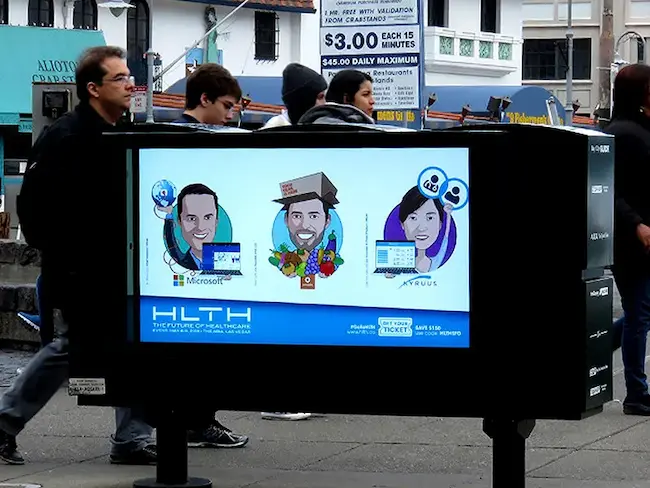
| Digital transit or street display | Commuter frequency, station areas, pedestrian-scale detail | System rules, screen placement, dwell time, motion limits, available dayparts |
Start With the Job the Screen Must Do
Before looking at inventory, name the single job for the campaign. A digital billboard can be used for awareness, a store opening, an event date, a local offer, a product launch, appointment demand, recruitment, or a reminder to search for the brand. That decision determines how many markets, screens, messages, and weeks the buy needs.
- Awareness: prioritize unavoidable approaches, broad commuter corridors, and consistent branding.
- Local action: focus on routes near the store, office, clinic, venue, or service territory.
- Time-sensitive demand: use a clear date, deadline, offer window, or event cue with a simple next step.
- Multi-market coverage: keep the master message consistent, then localize only the details that matter.
- Retargetable campaign phases: plan the creative rotation in advance rather than treating every screen change as an afterthought.
National advertisers often need a mix of broad and local exposure. In a major market such as Los Angeles digital billboard advertising, a screen may create major awareness but still sit outside the routes that lead to a specific business. Pair the screen decision with the real geography of the campaign.
How to Evaluate a Digital Billboard Location
Ask for more than an address. A meaningful review includes a map, photos or current video, the board orientation, lanes and direction of travel, nearby exits or intersections, estimated viewing distance, and any visual obstacles. A screen can look impressive in a rate card while having a weak approach for the intended audience.
Location selection becomes more precise when you identify where the audience is going. A healthcare brand may need routes into a clinic district. A retailer may need the final approach to a shopping center. An entertainment campaign may need a combination of neighborhood frequency and venue-adjacent visibility. A B2B advertiser may favor commute routes into employment centers rather than general retail traffic.
Use the billboard location guide to compare sightlines, traffic flow, audience fit, and proximity to action. It helps prevent a common mistake: selecting only the board with the largest reported traffic number instead of the board that reaches the right people at the right point in their trip.
Build a Creative Rotation That People Can Read
Digital flexibility can create a temptation to put too much copy into too many versions. A driver sees a digital board for seconds, often from a moving vehicle. Each creative frame needs one clear hierarchy: brand, message, and action. The campaign can rotate messages, but every individual message must stand on its own.
A practical rotation usually has a shared visual system. Keep the logo placement, color contrast, product cue, and central promise stable. Change only the offer, date, location cue, or product feature that justifies a new frame. This protects recognition across the loop and makes the campaign coherent when someone sees different executions on different days.
| Campaign Situation | Useful Rotation | Creative Rule |
|---|---|---|
| New location opening | Tease, opening date, then address or direction cue | Keep the brand and location memory cue constant |
| Event or ticket sales | Announcement, urgency, final-days reminder | Make date and venue readable at a glance |
| Restaurant promotion | Meal-time or offer-specific versions | Use one food image and one action, not a full menu |
| Multi-product campaign | One product per frame under a common brand line | Do not make viewers decode the product family |
| Regional campaign | One master creative plus local address or market cue | Change only what improves local relevance |
Digital boards are not a place for video-first thinking. Motion, rapid cuts, small type, and dense legal copy can reduce the message to visual noise. Build for immediate recognition, then adapt approved files to the exact pixel dimensions and rules supplied by the operator. BM Outdoor's billboard design guide covers the legibility rules that still apply to an LED screen.
Buying Models and Questions That Matter
Digital inventory may be sold as a fixed period, a share of voice, a package of locations, or a more flexible schedule. The labels vary, so compare the operating details instead of assuming two proposals are equivalent. A lower quoted price may reflect fewer hours, a smaller share of the loop, a weaker location, or a limited date range.
Ask every seller or media partner for the same decision set: exact screen list, dates, hours of operation, spot duration, loop duration, number of plays or share of voice, creative specifications, proof-of-play reporting, make-good treatment if the screen is unavailable, and all production or trafficking fees. This puts competing proposals on a comparable footing.
Costs also vary by market, demand, screen quality, campaign length, and placement. Rather than using a generic number in a planning document, review the variables in BM Outdoor's billboard cost guide, then request current availability for the specific screens and dates you need.
Measure the Outcome, Not Just the Screen Delivery
Proof of play confirms that approved creative ran as scheduled. It does not by itself prove business impact. Set the measurement plan before launch and connect it to the campaign's job. Brand awareness campaigns can watch branded search, direct traffic, market reach, and survey lift where available. Local-action campaigns can use a dedicated landing page, short URL, call tracking, offer code, appointment requests, store visits, or direction searches.
For a multi-market campaign, compare the exposed market with a similar unexposed market when practical. For a new location, compare the trend before the campaign with the opening period, while accounting for other media and promotions. The OOH ROI measurement guide explains how to select a response signal that fits the media objective.
Plan Your Digital Billboard Campaign
Bring a clear brief: target market, service or sales radius, campaign dates, audience, objective, locations that matter, creative assets, and the action you want people to take. BM Outdoor can help compare available digital screens, evaluate the routes around them, and shape a buy that balances flexibility with visibility. Request a digital billboard advertising quote to review current options for your market.
Frequently Asked Questions
Digital billboard advertising uses LED display boards to show scheduled creative messages in roadside and high-visibility out-of-home locations. A screen can rotate several advertisers and can update creative without a physical vinyl installation.
Play length and rotation vary by operator, market, screen, and package. Buyers should ask for the spot length, loop length, share of voice, operating hours, and proof-of-play terms before comparing proposals.
Neither format is automatically better. Digital boards are useful for flexible messaging and fast updates, while static boards can deliver a single uninterrupted message and a fixed, recognizable location. The right choice depends on the campaign goal, market, creative, timing, and inventory.
Often, yes. A campaign can use approved creative versions for different dayparts or dates when the screen operator and local rules allow it. The message should still be readable in the short viewing window of the location.
A useful proposal identifies the screen locations, direction of travel, dates, operating hours, spot and loop details, estimated delivery methodology, production specifications, creative deadlines, make-good policy, and all applicable fees.
Measurement can combine delivery reporting with branded search, direct traffic, location-specific landing pages, QR scans when appropriate, store visits, calls, promo codes, app activity, and market-level comparison before and after launch.
Yes, if the market, screen schedule, and geographic target fit the business. A focused buy near a store, service area, commuter corridor, or event zone can be more useful than broad coverage that reaches people outside the service radius.
Ready to advertise outdoors?
BM Outdoor plans, buys and prints OOH campaigns across all 50 states. Request a free quote with no commitment.





Comments
Be the first to comment.