
Affordable Does Not Mean Random
Businesses often begin a billboard search by asking for the lowest available rate. That is understandable, but it can produce the least useful media plan: an isolated board far from the customer, a short flight with too little repetition, or a format that does not suit the message. Affordable billboard advertising works when the budget is focused on the part of the market where exposure can create a real business result.
The practical question is not, “What is the cheapest billboard?” It is, “What is the smallest plan that can still reach the right people with enough clarity and frequency?” For a restaurant, that may be an approach route near the location. For a home-services company, it may be a residential commuter corridor inside the service area. For an event, it may be a venue approach during the ticketing period. For a local clinic, it may be a route used by patients and caregivers.
A disciplined plan makes every dollar carry a job. It identifies the audience, the geography, the campaign period, the one message to remember, and the response signal that will show whether the campaign is helping. Once those decisions are made, inventory can be evaluated on usefulness rather than on price alone.
Where a Modest OOH Budget Can Work Best
| Business Situation | Planning Priority | Efficient OOH Approach |
|---|---|---|
| Single-store retail or restaurant | Routes within the actual trade area | One strong approach board, nearby digital screen, or pedestrian-scale placement |
| Home services | Residential corridors and service-radius recognition | Static board or focused digital schedule on repeat commuter routes |
| New office, clinic, or practice | Clear local awareness before opening | Placement near the destination plus a direct location cue |
| Event, promotion, or limited offer | Concentrated visibility during a defined window | Digital or transit media with a simple date-driven message |
| Multi-location business | Prioritize the locations with the strongest business need | Start in one or two trade areas before expanding market-wide |
| Recruitment campaign | Reach likely candidates near work, school, or commute routes | Localized placement with a clear role, benefit, and next step |
Choose a Trade Area Before You Choose a Board
A lower-budget campaign needs precision. Mark the business location, delivery zone, branches, competitor cluster, event venue, or service territory. Then identify how people enter that area. The audience may arrive from a freeway, an arterial road, transit stop, shopping center entrance, or neighborhood connector. The strongest placement is often the one that belongs to that movement pattern, even when another board reports higher overall traffic.
For example, a Los Angeles business should not automatically buy the largest available regional board if customers primarily come from a handful of nearby corridors. A review of Los Angeles billboard options should begin with where the target audience travels, not just a citywide list. The same logic applies in dense markets such as New York, where a few blocks or one bridge approach can make a major difference in who sees the message.
Use a map and ask for exact board orientation, direction of travel, approach photos, nearby exits, and distance from the business or decision point. The billboard location guide outlines the practical details that determine whether a placement is visible and relevant.
Compare Formats by the Job They Do
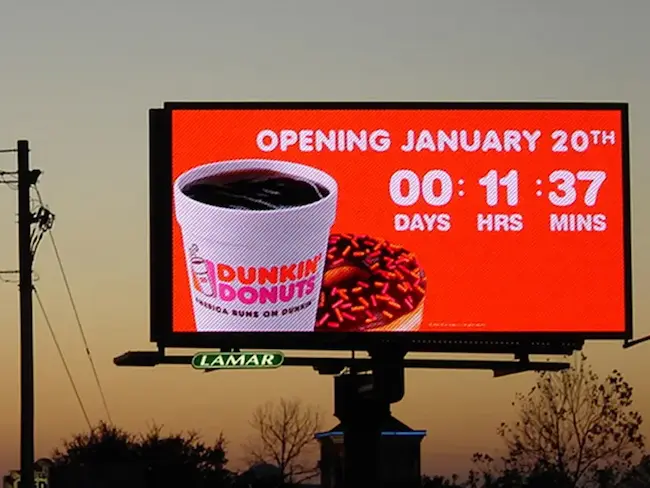
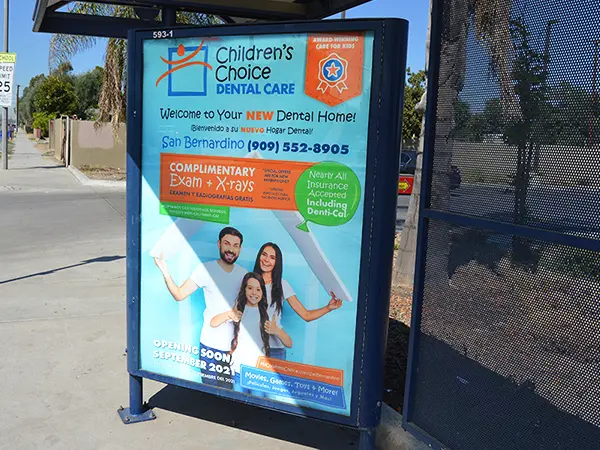
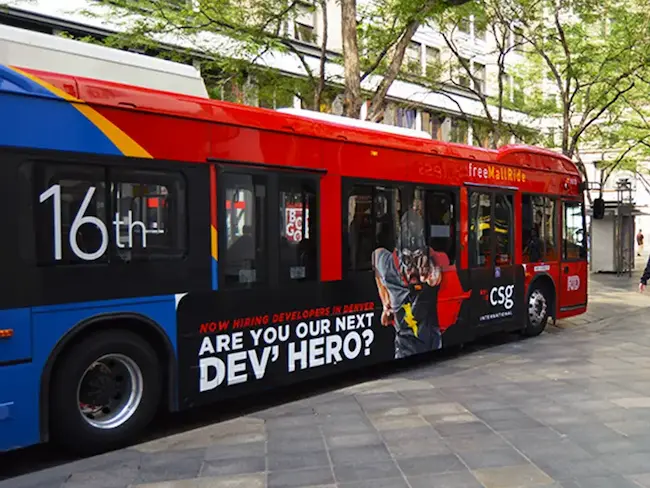
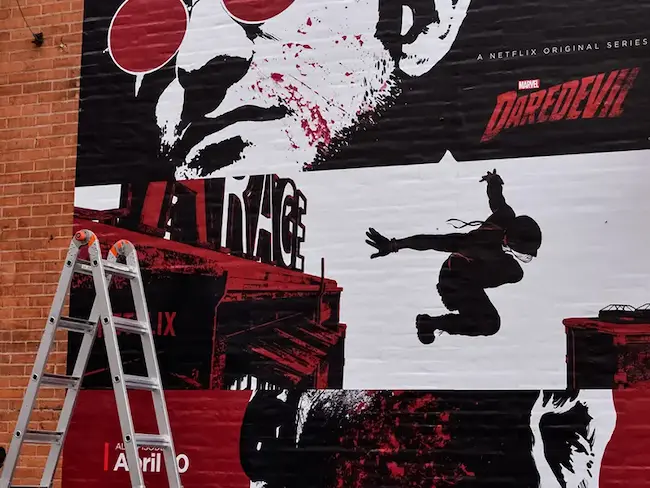
A static billboard offers an uninterrupted message at one fixed location. It can be a strong choice when a business wants a consistent local landmark and has a message that should stay the same. Digital billboards can offer more timing flexibility and a lower entry point in some markets because several advertisers rotate on the same screen. Transit and street-level formats can be efficient when the audience spends time walking, waiting, or commuting in a dense area.
| Format | When It Can Be Efficient | Watch Out For |
|---|---|---|
| Static billboard | A single high-value route can carry the campaign for several weeks or months | Printing and installation timing; message changes require new production |
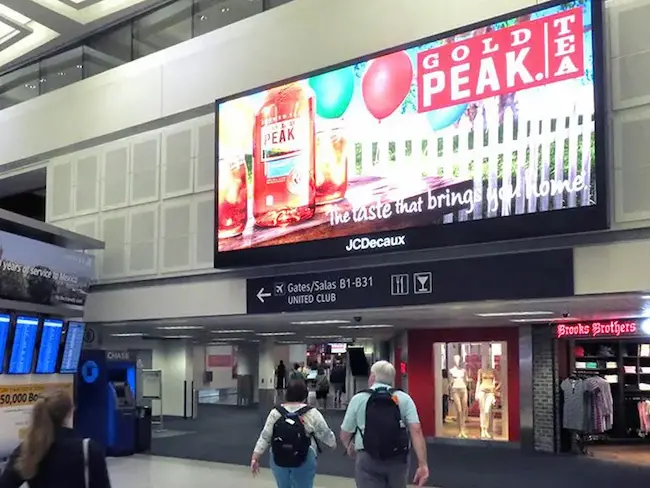
| Digital billboard | The campaign needs date, offer, or daypart flexibility | Confirm the loop, spot duration, hours, and share of voice |
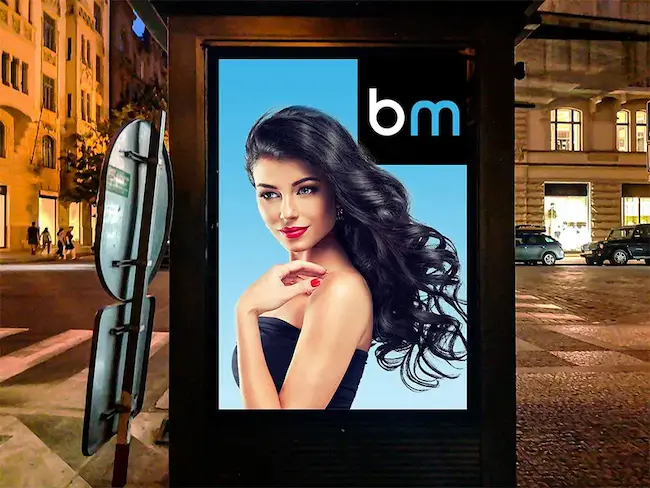
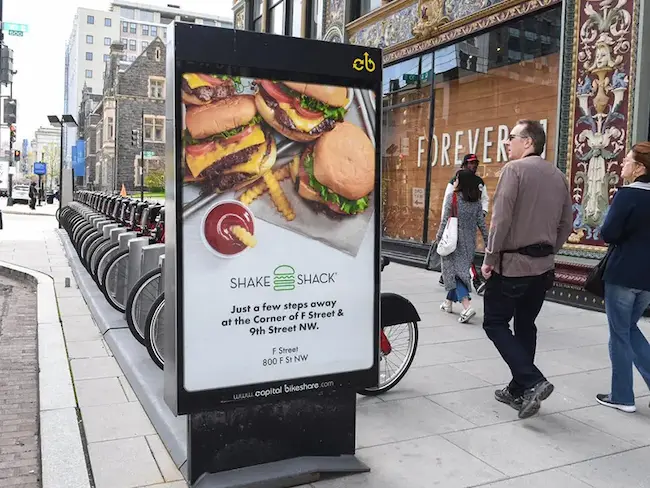
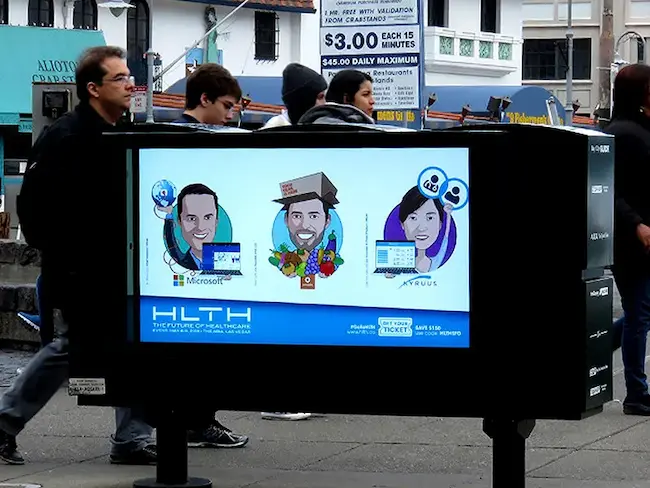
| Bus shelter or street display | Pedestrian, neighborhood, retail, or clinic-area visibility matters | Confirm exact placement and whether the audience has enough dwell time |
| Transit media | Commuter frequency or station-area reach is the goal | Route relevance matters more than system-wide scale |
| Combination plan | One broad signal plus one local action zone are both necessary | Do not split a small budget across too many disconnected units |
For a direct comparison of the two most common roadside choices, see the digital versus static billboard guide. The goal is not to force every business into the same format; it is to select the format that preserves budget for the location and duration that matter.
Make the Message Do Less, Better
Small budgets cannot absorb a creative mistake. If people cannot understand the advertiser in a few seconds, a cheaper media buy becomes expensive waste. Use one promise, one visual focal point, and one action. The business name must be easy to recognize and search. A local cue, such as a neighborhood, opening date, or service category, can make the message more useful, but it should not turn the board into a brochure.
- Lead with the recognizable brand or category. People often search later, so recall matters.
- Name one action. Visit, call, search, book, apply, or attend are stronger than a list of options.
- Use an address only when it helps. A simple location cue can be better than a full street address at driving speed.
- Protect contrast and type size. A board competes with traffic, weather, and surrounding signs.
- Avoid frequent total redesigns. Consistency improves recognition and reduces production complexity.
Review the billboard design best practices guide before finalizing a file. Good creative is one of the few ways to improve campaign performance without buying more media.
Ask for a Comparable Proposal
When budget is tight, vague proposals make it hard to choose. Ask every option to show the location, direction of travel, campaign dates, format, production requirements, delivery terms, availability status, and every fee. If a digital board is included, request the operating hours, spot length, loop length, and proof-of-play details. If a static board is included, request photos, orientation, vinyl specifications, printing, installation, and lead times.
Do not build the plan from an old generic rate. Billboard pricing changes with market, location, availability, season, format, campaign length, and production. BM Outdoor's guide to billboard costs explains the variables that shape a quote without pretending that every location has the same price.
Protect Frequency Before Expanding Reach
The most common low-budget planning error is spreading the campaign across too many locations. Four weakly related screens in distant areas can create scattered exposure without local memory. One strong route, paired with a campaign period long enough for the audience to see it repeatedly, often gives a local advertiser a more defensible result.
That does not mean every plan should use one unit. A combination can make sense when the audience has two distinct routes or when a new location needs both a broad approach board and nearby reminder media. The point is to make every placement answer a specific coverage problem. Expand only after the first trade area is adequately covered.
Measure the Business Signal
An affordable campaign needs a simple scorecard. Before launch, establish the baseline for the response that matters: branded search, direct web traffic, calls, form fills, appointments, direction requests, offer redemptions, foot traffic, or job applications. Use a dedicated landing page or short URL when it makes sense, but do not rely on QR codes where the board is primarily viewed by drivers.
Compare performance during the campaign with the prior period and, when possible, with similar locations outside the media area. Keep a record of other promotions, seasonality, and operational changes so the result can be interpreted honestly. BM Outdoor's OOH ROI measurement guide can help turn the campaign objective into a useful measurement plan.
Build a Practical First Plan
Bring the market, business locations, service radius, audience, campaign dates, goal, creative assets, and realistic budget range to the planning conversation. BM Outdoor can identify available placements, compare the route logic behind them, and build a focused OOH plan rather than a rate-sheet shopping list. Request a billboard advertising quote to review options for your market.
Frequently Asked Questions
Affordability comes from matching the campaign scope to the business goal. A focused placement near the right audience, with simple production and a clear flight, can be more efficient than buying broad reach that does not support the service area or objective.
Yes, when it has a clear geographic purpose. One well-positioned board or a focused digital schedule can create useful frequency near a store, clinic, event, office, or service corridor. A small campaign should not be spread so widely that it loses visibility.
It depends on the market, screen, share of voice, dates, demand, production, and campaign length. Digital and static formats have different strengths, so buyers should compare them by location fit and campaign requirements rather than assuming one is always less expensive.
There is no single answer. The appropriate duration depends on the buying cycle, audience frequency, location, and objective. It is usually better to maintain a clear presence in the right area than to run too briefly across too many unrelated locations.
A complete budget can include media, printing or digital trafficking, installation when applicable, creative adaptation, taxes or fees, and measurement tools. Ask for a proposal that separates each item so the total is clear.
Yes. Local businesses often benefit when the placement is close to their trade area and the message makes the business easy to remember, find, call, or visit. The board should reinforce the local decision, not merely create broad awareness outside the service radius.
Track a response that matches the objective, such as branded search, calls, direction requests, appointments, offer redemptions, store visits, or traffic to a dedicated landing page. Establish the baseline before the campaign begins.
Ready to advertise outdoors?
BM Outdoor plans, buys and prints OOH campaigns across all 50 states. Request a free quote with no commitment.







Comments
Be the first to comment.